
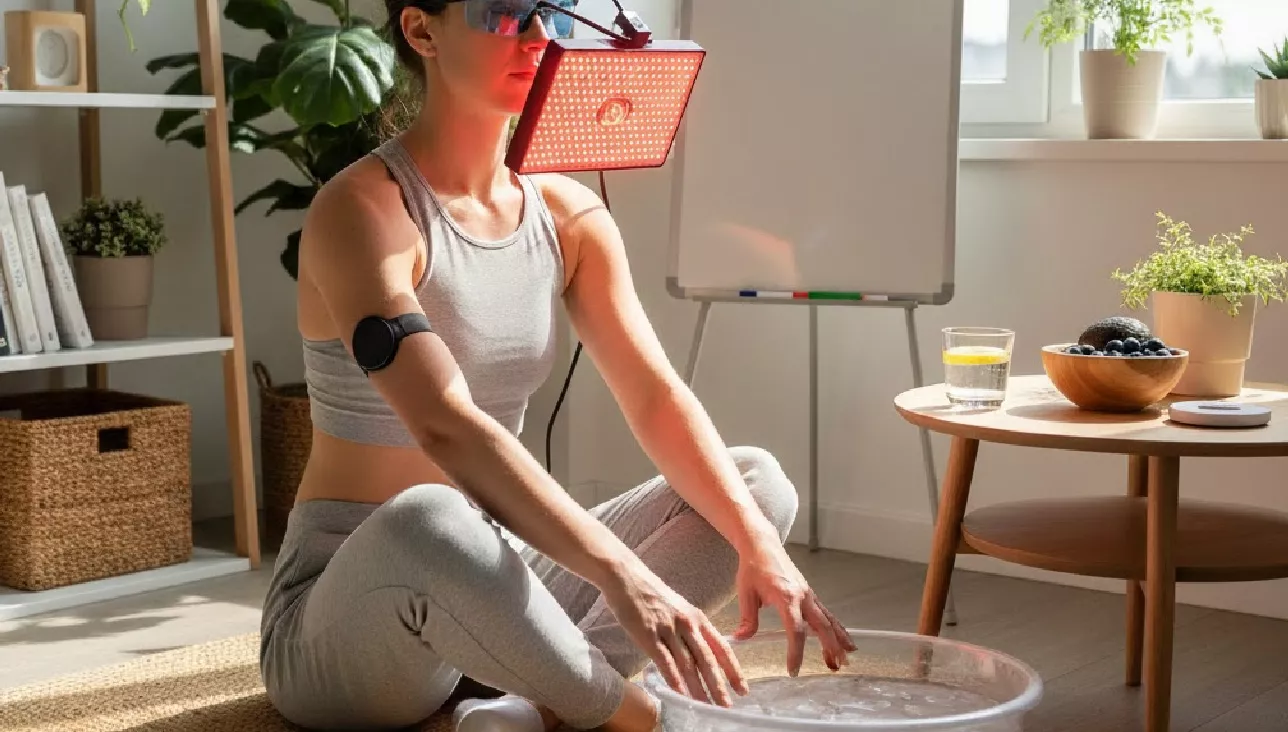
Easy biohacking techniques are small, practical changes that improve sleep, energy, mood, and metabolic health by working with basic biology: circadian rhythm, blood sugar levels, stress response, and inflammation. These bio-hacks that work focus on sleep quality, movement, meditation, time restricted eating (TRE), a low sugar diet, and supportive supplements.
The main benefits are clear: better oral and overall health habits, steadier metabolism, lower stress and anxiety, healthier blood pressure, stronger immunity, and slower biological aging signals tied to sleep deprivation and chronic inflammation. The main uses are daily: morning routines, workday focus, workouts, recovery, and preventative care.
The main parts of easy biohacking techniques are:
- ESSENTIAL DAILY BIO-HACKS (Sleep, Movement, Meditation, Cold immersion)
- EATING & NUTRITIONAL BIO-HACKS (low sugar diet, time restricted eating, supportive supplements)
- MENTAL HEALTH & SELF-CARE BIO-HACKS (music, social connection, brain entrainment, gratitude habits)
40-word featured snippet
Easy biohacking techniques are simple daily habits that improve health without gadgets. Start with 7 to 9 hours sleep, 150 minutes weekly movement, a low sugar diet, time restricted eating (TRE), 5 to 10 minutes meditation, and basic supplements only when needed. (Office of Dietary Supplements)
What easy biohacking means?
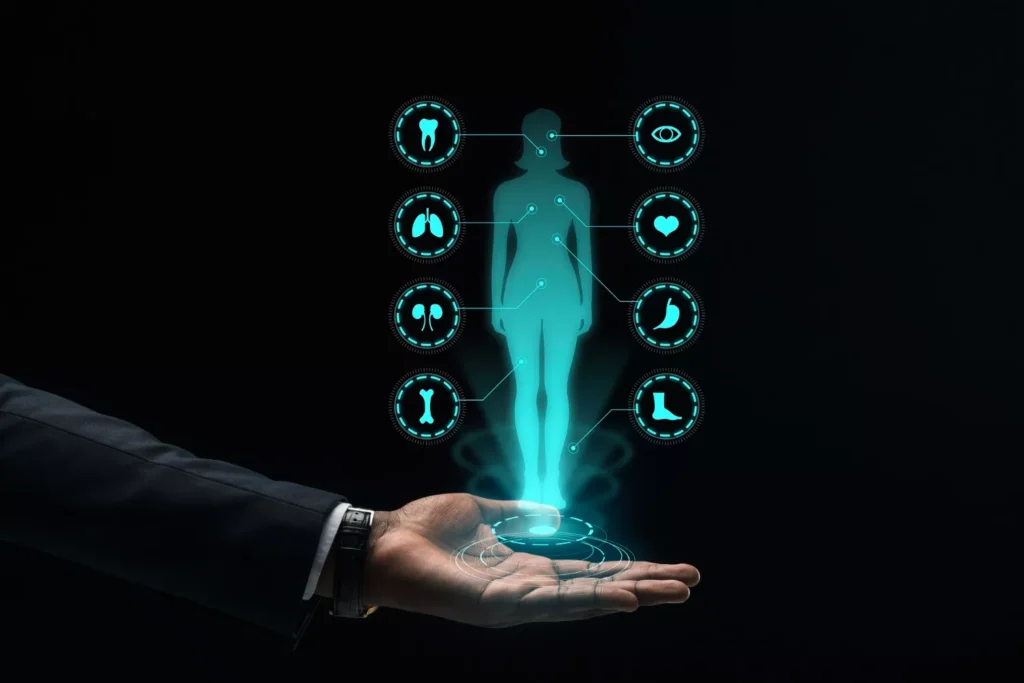
Biohacking (bio-hacking) is personal optimization using measurable habits. Easy biohacking techniques skip the Silicon Valley fantasy of implants and “Brave New World” extremes. Easy biohacking techniques focus on what reliably moves outcomes: sleep, diet, movement, stress, and basic tracking.
Biohacking works best when you pick one target:
- sleep quality
- blood sugar control
- stress reduction
- immune support
- inflammation reduction
- metabolism and fat-burning support
Then you apply one change for 7 to 14 days. You keep what works.
Safety rules first
Easy biohacking techniques stay safe when you follow 6 rules:
- Change one habit at a time.
One variable keeps results readable. - Start low, then scale.
Example: 5 minutes meditation before aiming for 20 minutes. - Avoid risky hacks.
Implanted devices, “young blood” ideas, and unregulated peptides increase infections and auto-immune responses risk. - Do not replace medical care.
Diabetes, heart disease, sleep apnea, and depression need clinical care. - Track one metric.
Pick one: resting heart rate, blood pressure, morning energy score, or sleep duration. - Stop when symptoms show.
Chest pain, fainting, severe anxiety, panic, or new neurological symptoms need medical help.
ESSENTIAL DAILY BIO-HACKS
Sleep
Adults need 7 to 9 hours of sleep per night for health and preventative care. (Office of Dietary Supplements)
Sleep bio-hacks that work
- Fix one wake time.
Wake at the same time 6 to 7 days a week. - Get morning light for 5 to 10 minutes.
Light anchors circadian timing. - Cut late caffeine.
Stop caffeine 8 hours before bedtime. - Cool the room.
Many people sleep better in a cooler room. - Keep the phone out of the bed.
Sleep quality drops when you scroll in bed.
What sleep improves?
Sleep improves:
- immunity
- stress tolerance
- blood sugar levels control
- inflammation regulation
- biological aging signals linked to sleep deprivation

Movement
Movement protects blood vessels and metabolism. Sitting all day worsens blood pressure and blood sugar patterns.
A practical target is 150 minutes per week of moderate activity plus strength work.
Easy movement bio-hacks
- Walk 10 minutes after meals.
This supports lowering blood sugar swings. - Do “movement snacks.”
Every hour: 20 air squats, a short stair walk, or a brisk 2-minute pace. - Add 2 strength sessions weekly.
Use bodyweight if needed. - Do nasal breathing on easy cardio.
It helps pace control and stress.
Meditation
Meditation is a low-tech tool for stress and anxiety control. It often improves mental state when you stick to short daily sessions.
A simple target is 5 to 10 minutes daily. The point is consistency.
The U.S. National Center for Complementary and Integrative Health (NCCIH) lists relaxation techniques as tools for stress-related symptoms and health support. Read more content about Water Flosser Worth

Easy meditation structure
- Sit.
- Breathe slowly through the nose.
- Count 10 breaths.
- Restart at 1 when the mind wanders.
That is it.
Cold immersion
Cold immersion is popular in biohacking. People use cold showers, ice baths, or cryotherapy. Claims include improved recovery, mood lift, and inflammation control.
Keep expectations realistic:
- Human evidence is mixed.
- Cold exposure is a stressor.
- Some people with heart conditions should avoid sudden cold shock.
A safe, simple way to try it
- End a normal shower with 15 to 30 seconds cool water.
- Build to 60 seconds over 2 to 4 weeks.
- Keep breathing slow and controlled.
Why people do it
Cold exposure can trigger stress-response pathways tied to metabolism and fat-burning. Some research discussions mention longevity gene pathways and increase mitochondria production, but human longevity claims are not settled. Treat cold immersion as optional, not required.
EATING & NUTRITIONAL BIO-HACKS
Low sugar diet
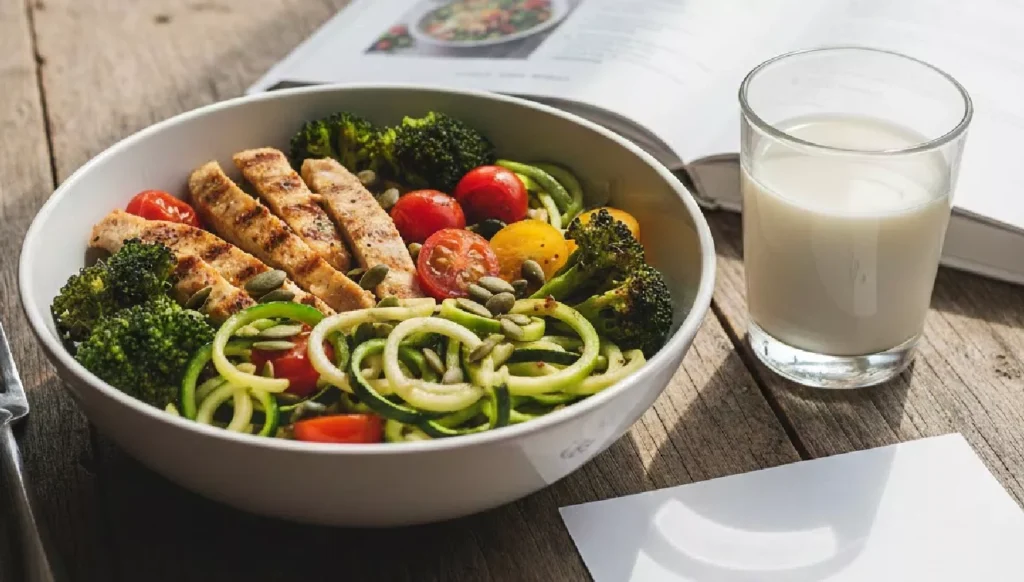
A low sugar diet is one of the highest return nutritional bio-hacks.
The World Health Organization recommends reducing free sugars to less than 10% of total energy, with 5% as a stronger target for added benefit. (Office of Dietary Supplements)
Easy ways to cut sugar
- Replace sweet drinks with water or sparkling water.
- Eat protein at breakfast.
- Use berries instead of desserts.
- Remove “liquid sugar” first. Soda and sweet coffee are the fastest win.
What improves when sugar drops
- blood sugar levels become steadier
- cravings drop
- energy is more stable
- long-term risk drops for diabetes and heart disease
Time restricted eating (TRE)
Time restricted eating (TRE) is eating within a smaller eating window.
A common starting point:
- 12-hour window (example: 8am to 8pm)
Then move to: - 14 to 16 hours fasting on 3 to 4 days per week
Evidence varies by person and study design, but reviews show TRE can improve weight-related outcomes and metabolic markers in some contexts, even without strict calorie counting.
A practical TRE template
- Dinner at 7pm
- First meal at 9am
That is a 14-hour fast.
Who should be careful with TRE
TRE can be risky for:
- history of eating disorders
- pregnancy
- underweight
- diabetes on insulin or sulfonylureas
Supportive supplements
Supplements can help when food and sunlight do not cover needs. Keep this simple and boring.
Dr. Frank Lipman and many Doctor Longevity style “Articles” and “Books” often mention supportive supplements like fish oil, vitamin C, D3, and probiotics. Use that as a starting list, not a mandatory stack.
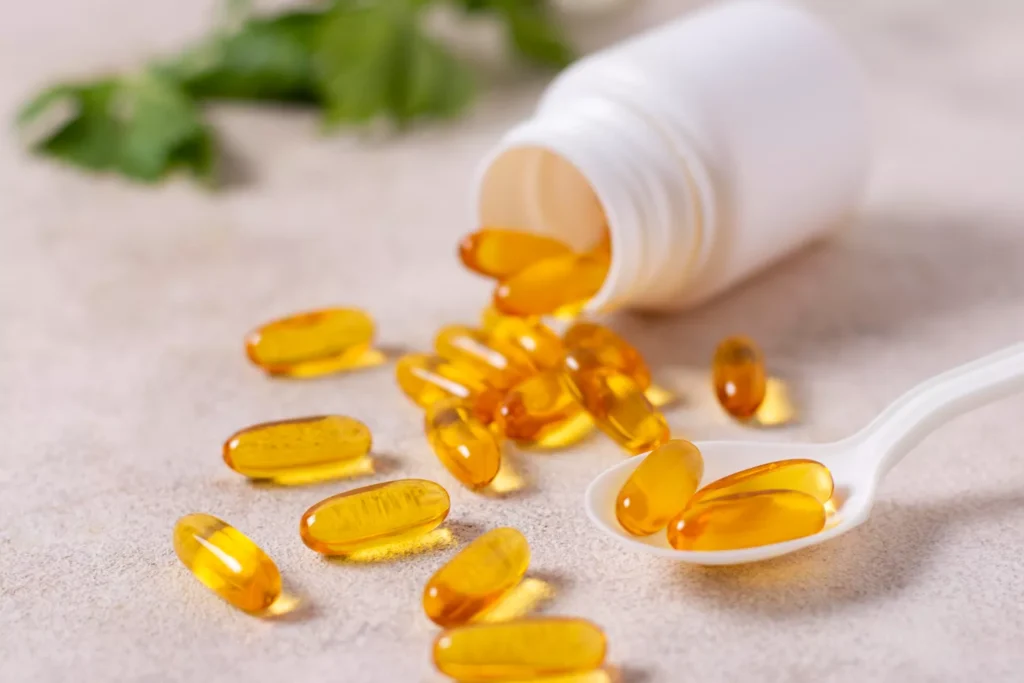
High-quality fish oil (EPA and DHA)
Omega-3 supplements commonly contain EPA and DHA. The NIH Office of Dietary Supplements explains omega-3 types and notes that high doses can affect bleeding risk, and the FDA sets a general upper limit of 5 grams per day from supplements.
Practical approach:
- Eat fatty fish 2 times per week, if possible.
- Add fish oil only when your diet lacks omega-3s or your clinician recommends it.
Vitamin D3
Vitamin D supports bone health and immune function. The NIH Office of Dietary Supplements lists RDAs and upper limits. The adult RDA is 600 IU (15 mcg) for many adults and 800 IU (20 mcg) for older adults, with a typical upper limit of 4,000 IU (100 mcg) daily for adults.
Vitamin C
Vitamin C supports collagen formation and immune function. The NIH Office of Dietary Supplements lists adult RDAs of 90 mg for men and 75 mg for women, and an upper limit of 2,000 mg per day.
Broad-spectrum probiotic
Probiotics may help some gut issues, but strains matter and results vary. The NIH Office of Dietary Supplements explains that probiotics are measured in CFUs and effects depend on the strain, dose, and the condition being treated.
Practical approach:
- Use probiotic foods first: yogurt, kefir, fermented vegetables.
- Trial a probiotic for 4 weeks when symptoms exist, then reassess.

MENTAL HEALTH & SELF-CARE BIO-HACKS
Music and brain entrainment
Music can shift mood and focus fast. Some people use brain entrainment tracks (binaural beats) to influence brainwave activity.
Keep it practical:
- 10 to 20 minutes
- headphones if the track uses stereo tones
- no driving while using deep relaxation tracks
Use cases:
- focus before work
- calm after stressful meetings
- wind-down before sleep
Social connection
Social connection is one of the strongest predictors of long-term health. Isolation worsens stress biology and immune function.
Easy social bio-hacks:
- One real conversation daily
- Weekly meet-up
- Shared walks with a friend
Stress tools that lower blood pressure
Chronic stress pushes blood pressure up and worsens blood sugar control.
A simple set:
- 2 minutes slow breathing
- 5 minutes meditation
- 10-minute walk outdoors
- 1 gratitude note

NCCIH lists relaxation techniques as tools people use to manage stress-related symptoms.
Tech and testing bio-hacks
Tech is optional. Most results come from habits.
If you use tech, keep it basic:
- Sleep tracker for bedtime and wake time
- Blood pressure cuff 2 to 3 mornings per week
- Simple glucose awareness when you have prediabetes risk
Biomarkers that match common goals:
- fasting glucose, A1c for blood sugar
- lipid panel for heart disease risk
- vitamin D level when deficiency risk exists
A simple 7-day starter plan
This plan is low-tech and realistic. It fits busy schedules.
Day 1 (example date: Sep 12, 2022)
- Sleep: set a fixed wake time
- Food: remove sugary drinks
- Stress: 5 minutes meditation
Day 2
- Add a 10-minute walk after one meal
- Add 2 minutes slow breathing
Day 3
- Start a 12-hour TRE window
- Add 20 minutes music wind-down
Day 4
- Add strength: 10 push-ups, 10 squats, 2 sets
- Add a morning light walk
Day 5
- Extend TRE to 13 to 14 hours
- Add a probiotic food serving
Day 6
- Cold immersion: 15 seconds cool rinse at the end of a shower
- Add a social connection plan for the weekend
Day 7
- Review results
- energy score 1 to 10
- sleep hours
- cravings score 1 to 10
Keep only what helped.
FAQ
1) What are the easiest biohacking techniques for beginners?
The easiest biohacking techniques are sleep timing, a low sugar diet, daily walking, 5 minutes meditation, and a 12-hour time restricted eating (TRE) window. These improve blood sugar levels, stress, and sleep quality with low effort.
2) Does time restricted eating (TRE) work without counting calories?
Yes, TRE can work without counting calories for some people. Reviews show some improvements in weight-related outcomes and metabolic markers in certain populations, though results vary by study design and adherence.
3) What is the safest “supplement stack” for biohacking?
A safe starter stack is food-first. Add supplements only when you have a reason. If needed, common options are vitamin D3, vitamin C, and omega-3s (EPA and DHA), staying within guidance and upper limits.
4) Is cold immersion safe for everyone?
No. Cold immersion is a strong stressor. People with cardiovascular disease, uncontrolled high blood pressure, or a history of fainting should avoid sudden cold exposure and talk with a clinician first. Use a short cool rinse if you try it.
5) How fast do easy biohacks show results?
Some changes show effects in 3 to 7 days, like steadier energy from sugar reduction or improved mood from movement. Sleep improvements often take 1 to 3 weeks. Long-term metabolic changes take longer, often 8 to 12 weeks.
Conclusion
Easy biohacking techniques work when you keep them simple: sleep, movement, meditation, a low sugar diet, and time restricted eating (TRE). Add supportive supplements only when you have a reason and you stay inside safe ranges for vitamin C, D3, and omega-3s like EPA and DHA.
Pick one habit today, track one metric for 7 days, and keep what improves sleep quality, stress, and blood sugar control.



Leave a Reply