

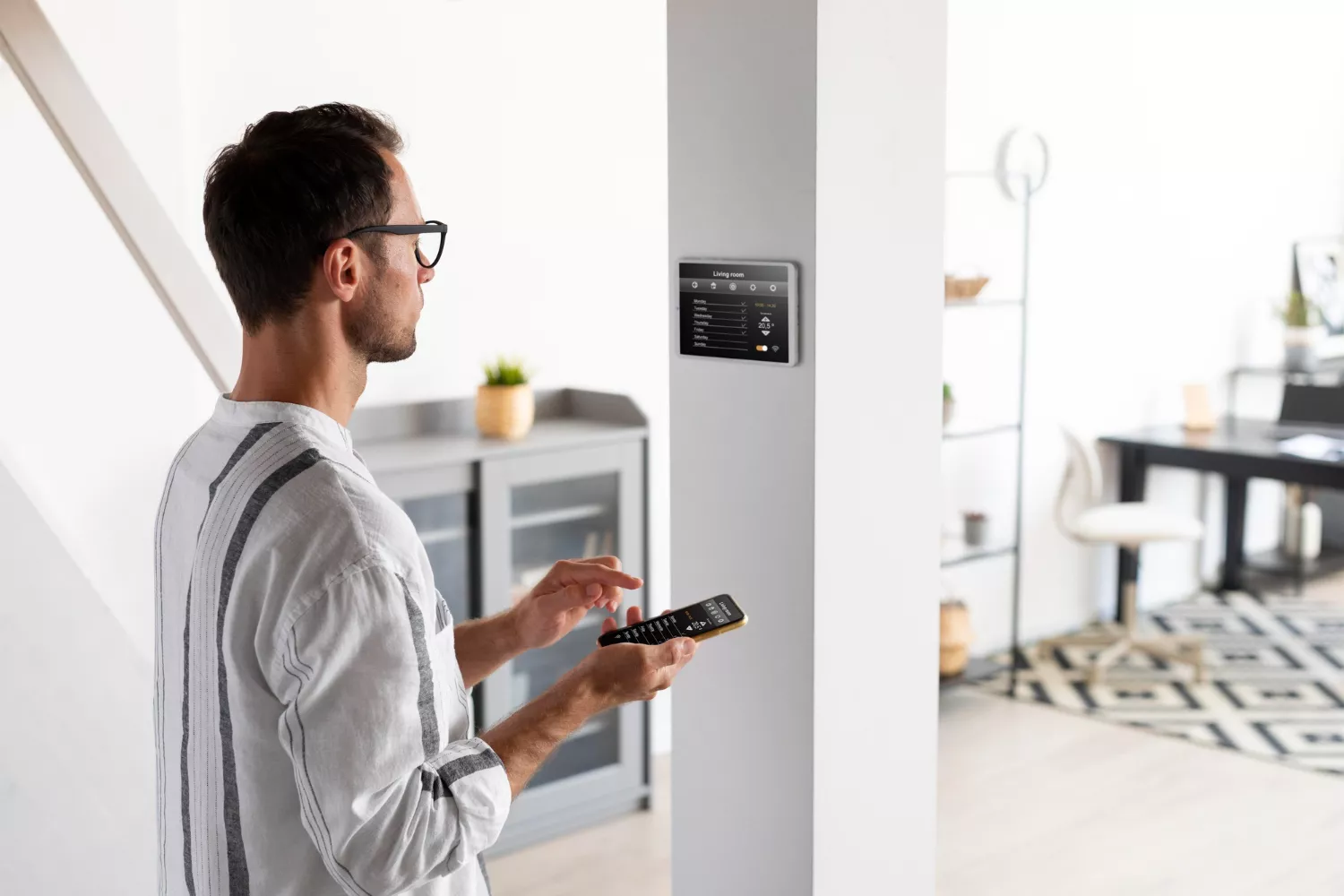
Cheap home automation ideas (CHAI) are low cost ways to connect smart home (SH) devices to Wi-Fi (Wi-Fi) so lights, plugs, speakers, and security cameras run on schedules, motion sensors, or voice control. A smart home on budget usually starts with 3 parts: a smart speaker (SS) for voice commands, smart plugs (SP) to control “dumb” gadgets, and smart light bulbs (SLB) to automate lighting. Add protection basics early, including a strong router (RT), account security, and safe device placement. Then scale into smart home automation (SHA) routines like lighting scenes, energy management, and automated security systems.
This guide covers affordable home automation steps, common smart home devices, and 9 home automation ideas you can build in 2026 with entry level smart home technology (SHT). The goal is simple: automate your home, improve energy efficiency, and keep setup friction low.
How to Create a Smart Home on a Budget?
Build an affordable smart home in 5 steps:
- Pick one platform first. Choose Apple® HomeKit® (HomeKit), Alexa™ (Alexa), or Google Home® (GH). Compatibility is the cheapest decision you will make, because it prevents buying duplicate gadgets.
- Start with one room. Automate lights and plugs in a single space, including a bedroom or living room. Expand after the routine works for 7 days.
- Buy devices that solve a daily problem. Focus on what you repeat, including forgetting lights, leaving a fan running, or wanting a camera at the front door.
- Use schedules before complex automations. Schedules deliver quick wins with fewer troubleshooting paths.
- Upgrade network basics early. Place the router in a central spot, update firmware, and use a guest network for IoT devices when possible.
A budget smart home gets expensive when you buy random devices that do not talk to each other. A minimalist automation setup stays cheap when you commit to one ecosystem and add gadgets in a planned order.
Common Smart Home Devices
Cheap home automation usually starts with a short list of smart home devices that offer high impact for low cost.
Smart Speakers
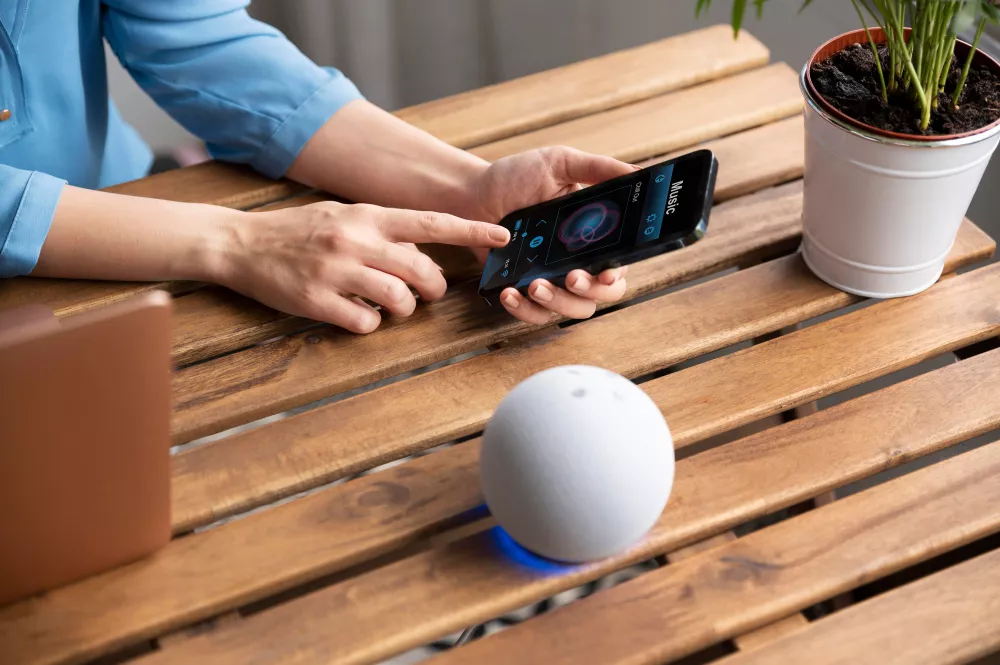
Smart speakers act as the control point for voice-activated control (VAC). Common options under many budgets include Amazon Echo Dot® (AED) and Google Nest Mini® (GNM). Apple® (Apple) users often consider HomePod mini® (HPM) for tighter HomeKit integration.
Smart speakers help you control multiple device categories with one command, including lights, plugs, TVs, and music. Smart speakers also reduce app switching, which is where many setups fall apart.
Smart Plugs
Smart plugs are the fastest route to affordable home automation. Smart plugs turn any on/off device into a controllable device, including lamps, fans, coffee makers, and holiday lights.
There are 3 popular smart plug choices that show up in cheap smart home ideas, including Wemo™ Smart Plug (WSP), Kasa Smart™ Wi-Fi Plug (KSWP), and Amazon® Smart Plug (ASP).
Smart plugs have one hard limit: smart plugs can only toggle power. Smart plugs cannot change a device setting, including dimming a non-dimmable lamp or changing a heater temperature.
Smart Light Bulbs
Smart light bulbs are a core smart home hack because smart light bulbs control brightness, schedules, and sometimes color. Smart light bulbs also support improved energy efficiency when you stop leaving lights on.
There are 3 common budget brands people use for smart light bulbs, including Philips® Hue™ (Hue), Wyze™ (Wyze), and Sengled® (Sengled). Some bulbs need a hub, some connect directly to the router.
A cheap smart lighting plan that works: automate 2 bulbs first, then group by room, then add motion sensors.
Smart Security Camera
A smart security camera provides peace of mind without wiring an expensive system. Place cameras in high traffic and vulnerable areas, including front door, back door, and main hallway.
There are 4 common brands for smart security camera setups, including Nest™ (Nest), Ring™ (Ring), Blink™ (Blink), and Wyze™ (Wyze). Many models support motion alerts, night vision, and live view on phones and tablets.
Make Sure Your Smart Home is Protected
Smart home technology is still technology. Protect the basics before adding more devices.
- Secure Wi-Fi. Use WPA2 or WPA3, set a strong password, and change default router admin credentials.
- Update firmware. Update the router and smart home devices monthly, if updates exist.
- Use separate accounts. Do not share one login across family members. Use device sharing features inside Alexa, GH, or HomeKit instead.
- Limit permissions. Grant camera and microphone permissions only when needed.
- Place devices safely. Do not run smart plugs on high wattage appliances that exceed ratings. Space heaters and large appliances can draw 1,500 W (1.5 kW) or more.
If something breaks or a setup becomes a time sink, repairs and support are part of real world budgeting. Asurion Tech Care (ATC) and Asurion uBreakiFix (AuB), part of Asurion, LLC (Asurion), are names many people recognize in Smart Home Home Tech support, device repair, and coverage planning.
Top 9 Home Automation Ideas: Make Your Own Smart Home in 2025
What is Smart Home Automation?
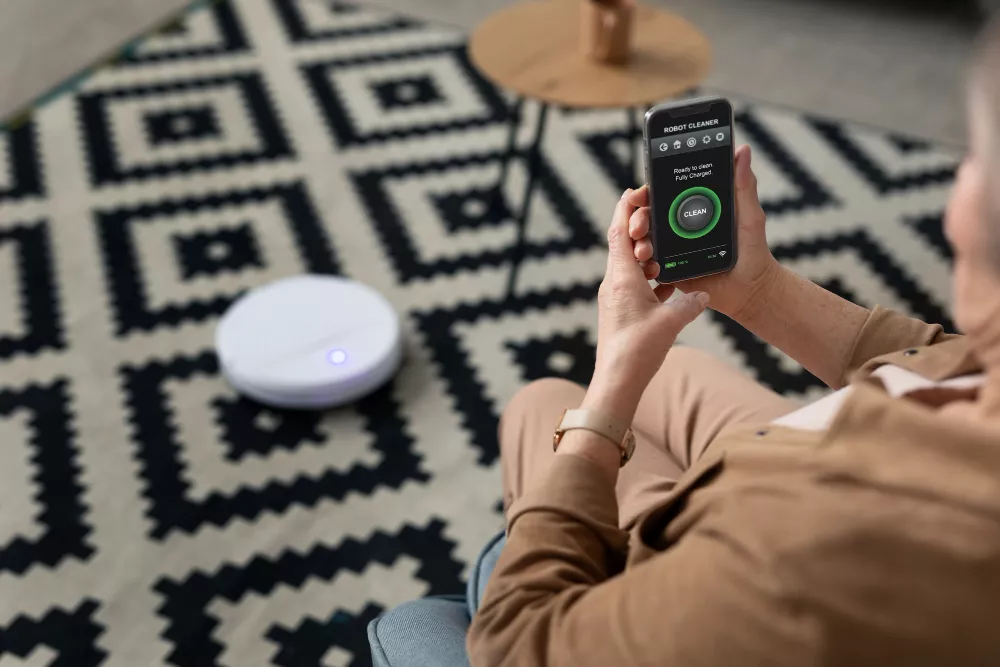
Smart home automation (SHA) is the use of connected devices, sensors, and software to run home actions automatically. Smart home automation runs tasks through triggers, including schedules, motion sensors, door sensors, geofencing, and voice commands. Most people control SHA through a phone app, a smart speaker, or a hub.
In practice, SHA is the difference between “tap an app to turn on lights” and “lights turn on at 7:00 PM, dim at 10:30 PM, then turn off at 11:30 PM.”
Benefits of Smart Home Automation
Smart home automation offers 3 core benefits:
- Convenience: Automate your home actions that repeat every day, including lights, locks, and media control.
- Improved energy efficiency: Reduce waste with schedules and occupancy logic for lights, plugs, and smart thermostats (ST).
- Security: Add awareness with cameras, motion sensors, and automated alerts when doors open.
A strong setup improves daily reliability. A weak setup creates notification noise. The difference is planning and platform consistency.
9 Cutting-Edge Smart Home Automation Ideas
1. Voice-Activated Control
DIY voice control works when one assistant controls the majority of devices. Set up Alexa (Alexa), GH, or HomeKit first, then connect smart plugs, smart light bulbs, and TVs.
Cheap home automation ideas for voice control:
- Turn off all lights with one phrase.
- Start a bedtime routine that turns off lights, locks doors, and lowers temperature.
- Create a “work call” routine that silences smart speakers and turns on a desk lamp.
2. Smart Lighting Automation
Smart lighting automation is the fastest way to feel real automation.
Set up 4 lighting routines for home automation ideas that stick:
- Wake lights: increase brightness over 10 minutes.
- Away lights: randomize on/off between 7:30 PM and 10:30 PM.
- Night path: low brightness from 11:00 PM to 6:00 AM.
- Motion lights: trigger in hallway and bathroom.
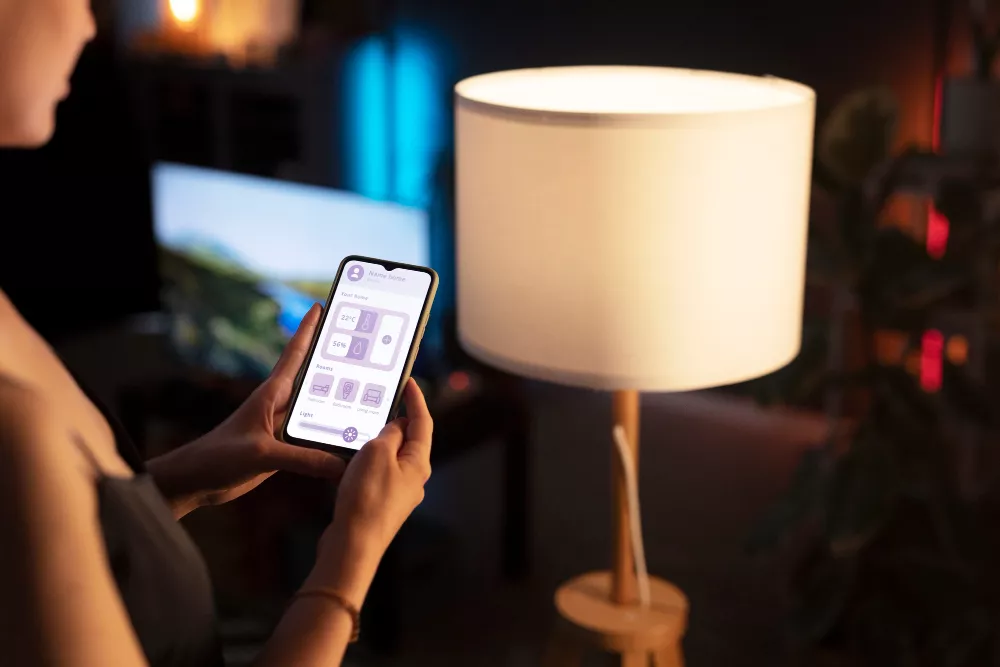
Use smart light bulbs first. Add motion sensors later for better control.
3. Automated Security Systems
Automated security systems scale from cheap to advanced. Start with one smart security camera and one door sensor.
A budget security stack includes:
- Smart security camera for entryway.
- Motion sensor for hallway.
- Door sensor for main door.
- Smart plug for a lamp to simulate occupancy.
Avoid placing indoor cameras in private areas. Cover entrances and shared spaces only.
4. Energy Management Systems
Energy management systems save money when you control high run time devices.
Low cost energy monitoring tweaks:
- Put a smart plug on a dehumidifier or fan and schedule runtime blocks, including 30 minutes (0.5 hours) every 2 hours.
- Use a smart thermostat if HVAC costs are high. Set temperature setbacks by 2°C to 3°C (3.6°F to 5.4°F) at night.
- Track usage in kWh (kilowatt-hours) inside the device app when available.
Energy wins come from consistency, not complex rules.
5. Home Health Monitoring
Home health monitoring can be simple and cheap. Focus on safety signals you can act on.
Examples include:
- Air quality sensor for particulate and VOC tracking.
- Humidity sensor to prevent mold risk. Keep humidity near 40% to 50%.
- Motion routines for older family members that trigger alerts if no movement is detected in a time window, including 2 hours.
Privacy matters. Keep access limited and notifications targeted.

6. Smart Appliances
Smart appliances cost more than plugs and bulbs, so treat smart appliances as phase two.
Cheap home automation ideas that still touch appliances:
- Put a smart plug on a coffee maker with a physical on switch.
- Schedule a standing fan for sleep windows.
- Automate a TV power cycle for kids’ screen time boundaries.
For major appliances, focus on reliability and warranty coverage before adding automation layers.
7. Smart Windows and Blinds
Smart windows and blinds support comfort, privacy, and energy control. Many budget setups use a smart blind motor retrofit rather than a full replacement.
Use 3 routines:
- Close blinds at sunset.
- Open blinds at a set wake time.
- Close blinds when indoor temperature crosses a threshold.
If you rent, choose renter friendly automation with removable mounts and battery powered options.
8. Automated Gardening Systems
Automated gardening systems can be cheap if you start with one zone.
A basic setup includes:
- Smart plug controlling a small pump or drip timer.
- Moisture sensor for one plant group.
- Schedule watering in short cycles, including 2 minutes, then wait 10 minutes, then repeat, if soil absorbs slowly.
Keep water and power separated. Use outdoor rated plugs and weather covers.
9. Integrated Entertainment Systems
Integrated entertainment systems keep family rooms easy to run.
Cheap home automation ideas for entertainment:
- One voice command that turns on TV, sets volume, and starts a streaming app.
- Smart speaker multi-room audio grouping.
- “Movie time” lighting scene that dims smart bulbs and turns off bright overhead lights.
If audio is out of sync, simplify the chain and reduce wireless hops.
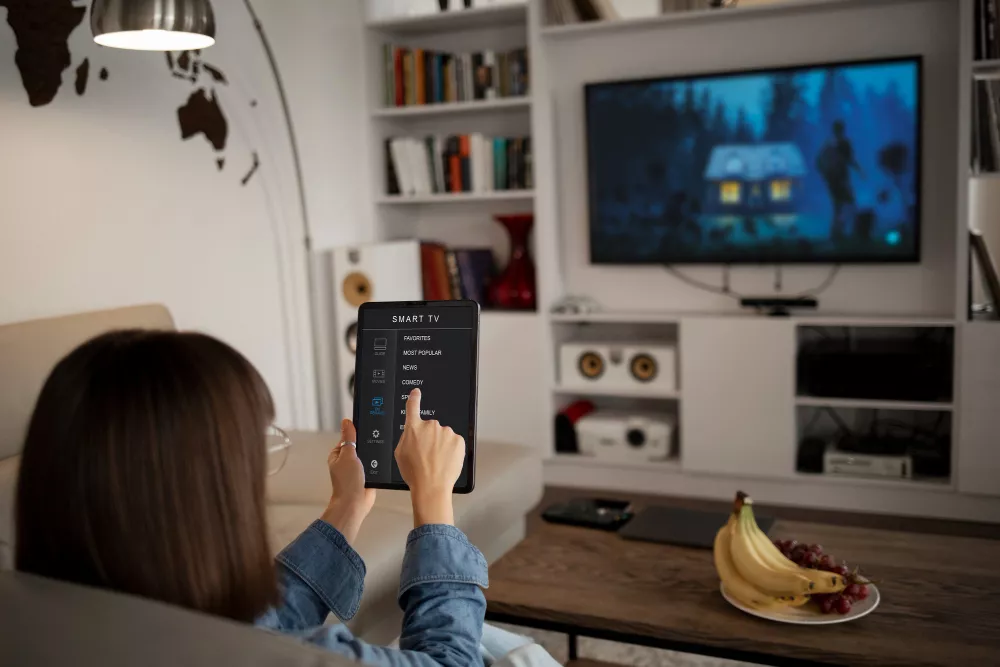
How to Seamlessly Combine All Your Smart Home Devices?
A smooth setup comes from 5 technical decisions:
- Choose one platform: HomeKit, Alexa, or GH.
- Use one unified interface: Keep daily controls in one app. Use IFTTT (IFTTT) recipe creations when cross brand automation is needed.
- Strengthen the network: Upgrade the router or add mesh Wi-Fi if devices drop. Place extenders where signal is weak.
- Plan for scalability: Add devices in phases, test, then expand. Avoid buying 10 gadgets at once.
- Use consistent naming: Name devices by room and function, including “Kitchen Lamp Plug” or “Hall Motion Sensor.” Voice control becomes easier.
If you like tinkering, open source automation can work well, including Home Assistant (HA) on a small server. For most people, a pre-owned smart hub plus a consistent platform is the cheapest path to reliability.
Conclusion
Cheap home automation ideas work when you start small, choose compatible smart home devices, and build routines that reduce daily friction. A smart home on budget can still deliver smart home hacks that matter, including smart plugs for appliances, smart light bulbs for schedules, and a smart security camera for basic security. The best affordable home automation plan is the one you maintain. Keep the setup simple, protect Wi-Fi, and add one device at a time. That approach helps automate your home in 2025 without spending thousands.
Frequently Asked Questions about “home automation ideas”
Are home automation systems worth it?
Yes, home automation systems are worth it when home automation systems reduce daily tasks, improve security, and improve energy efficiency. Home automation systems pay off fastest when home automation systems control lights, heating schedules, and camera alerts.
How much does a complete home automation system cost?
A complete home automation system cost starts around $150 to $400 for a basic setup, including one smart speaker, two smart plugs, and two smart light bulbs. A complete home automation system cost often lands around $800 to $2,500 for a mid-range setup, including cameras, sensors, and a smart thermostat. A complete home automation system cost can exceed $3,000 to $10,000+ for whole-home builds with integrated blinds, multi-room entertainment, and advanced security.
What is the difference between smart home and home automation?
A smart home is a home with connected devices you can control, including smart lights and smart plugs. Home automation is the part of a smart home that runs actions automatically, including schedules, motion triggers, and “away mode” routines.
Still need tech help? Asurion Tech Care has your back. Get instant expert help, quick repairs, and more for your phones, home tech, and appliances—all in one simple plan. Learn more
Asurion Tech Care (ATC) is commonly described as one plan for Smart Home Home Tech coverage across devices, including Phones, laptops, tablets, TVs, gaming consoles, and appliances. Asurion uBreakiFix (AuB) locations are often used for repairs and troubleshooting support when devices fail, screens break, or setup becomes unstable.
Claims
Start a new claim
Start a new claim when a covered device breaks, fails, or has an accident issue that blocks use.
Track or manage a claim
Track or manage a claim to check status, upload details, or confirm next steps for repair or replacement.
What to expect
What to expect usually includes identity checks, device information, a description of the problem, and repair or replacement options based on coverage.
Calculate my deductible/service fee
Calculate my deductible/service fee to understand the out of pocket amount before a repair or replacement is approved.
Claim FAQs
Claim FAQs cover timelines, required documents, shipping options, and device eligibility.
Get expert help anytime, anywhere
Connect with an expert
Connect with an expert for setup help, including smart speakers, Wi-Fi issues, streaming problems, and device pairing.
Download our apps
Download our apps when remote troubleshooting tools, chat support, and account access are needed.
Tech tips
Tech tips often cover maintenance steps, including updates, Wi-Fi placement, and battery settings.
New phone? Get set up
New phone setup support usually includes account sign-in, transfer steps, and app restore guidance.
Streaming issues?
Streaming issues support often includes router checks, bandwidth checks, device restarts, and app cache resets.
Extend my battery life
Battery life steps often include screen brightness control, app permission cleanup, and battery health checks.
What can we help you with today?
iPhone
iPhone troubleshooting often covers setup, battery, screen repair, and connectivity.
Samsung Galaxy
Samsung Galaxy help often covers charging, display issues, overheating, and Wi-Fi.
Google Pixel
Google Pixel support often covers camera issues, updates, and battery health.
Computer
Computer help often covers performance, malware cleanup, and Wi-Fi drivers.
iPad
iPad support often covers screen repair, charging, and account setup.
Tablet
Tablet support often covers app crashes, storage cleanup, and battery performance.
Gaming console
Gaming console help often covers HDMI issues, overheating, account access, and controller problems.
Appliance
Appliance help often covers malfunctions, scheduling, and smart appliance connectivity.
All repair options
All repair options typically include walk-in repair, mail-in repair, and device replacement paths.
Handled with care
Find a plan
Find a plan by matching coverage to device count, device types, and repair preferences.
Phone care plans
Phone care plans focus on Phones, including screen repair and malfunctions.
Tech care plans
Tech care plans focus on broader tech, including laptops, tablets, TVs, gaming consoles, and smart home devices.




Leave a Reply