

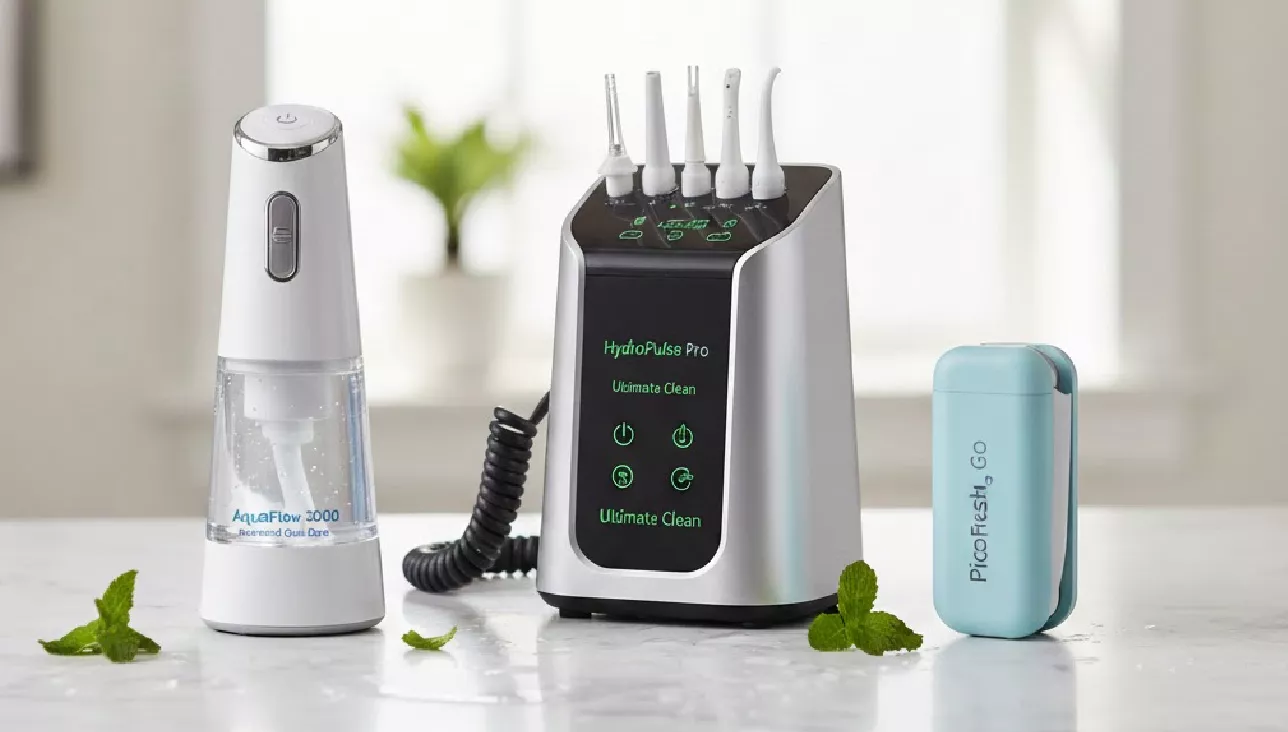
Many people ask are water flossers worth it because traditional flossing feels hard, uncomfortable, or easy to skip. Water flossers promise easier plaque removal, healthier gums, and better oral hygiene. But are they truly effective, or just another dental gadget?
This guide gives a clear, practical answer based on dental education, clinical use, and real-world patient outcomes.
Featured Snippet Answer
Water flossers are worth it for many people, especially those with braces, implants, or sensitive gums. They remove plaque along the gum line and between teeth, but most dentists still recommend using them alongside brushing and, when possible, traditional flossing.
What Is a Water Flosser?
A water flosser, also called an oral irrigator or interdental cleaner, is a device that sprays a controlled stream of water to remove plaque and food debris between teeth and along the gum line.
Brands like Waterpik helped bring water flossers from dental offices into everyday home use. Today, countertop and cordless models are common in bathrooms around the world.

Why Water Flossers Became Popular?
According to dental commentary by Hunter Taylor, the global water flosser market is projected to reach billions by 2030, driven by better access to dental education and preventative care habits.
Several factors explain the rise:
- Home versions of tools once limited to dental offices
- Increased focus on gum health and plaque control
- Growing awareness of gingivitis and periodontitis
- Convenience compared to string floss
People want easier ways to maintain oral hygiene between dental visits every six months.
How Water Flossers Work?
A water flosser uses a small motor and pump to push water from a reservoir through a nozzle. The pressurized stream is aimed along the gum line and between teeth.
Key components
- Reservoir (filled with warm water)
- Nozzle or tip
- Adjustable water pressure settings
- Motor and pump
The water pressure helps disrupt plaque bacteria and flush debris from areas a toothbrush cannot reach.
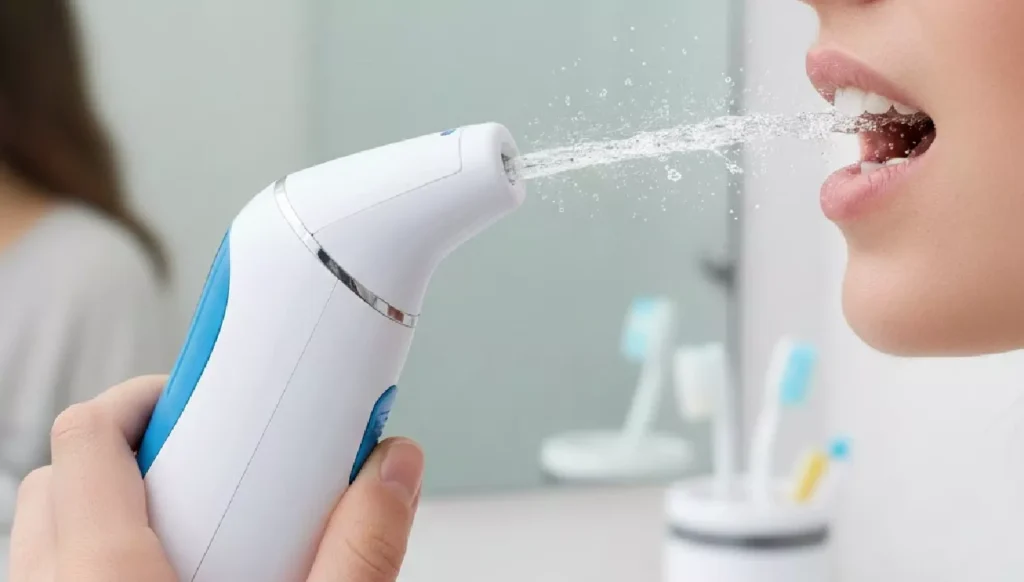
Are Water Flossers Worth It for Plaque Removal
What water flossers do well
Water flossers are effective at:
- Removing loose plaque along the gum line
- Flushing food debris between teeth
- Reducing bleeding gums
- Improving breath freshness
They are especially useful around stubborn plaque in hard-to-reach areas.
What they do not fully replace
Water flossers do not scrape plaque off tooth surfaces the same way string floss does. This is why most dentists view them as a powerful supplement, not a full replacement, for traditional flossing.
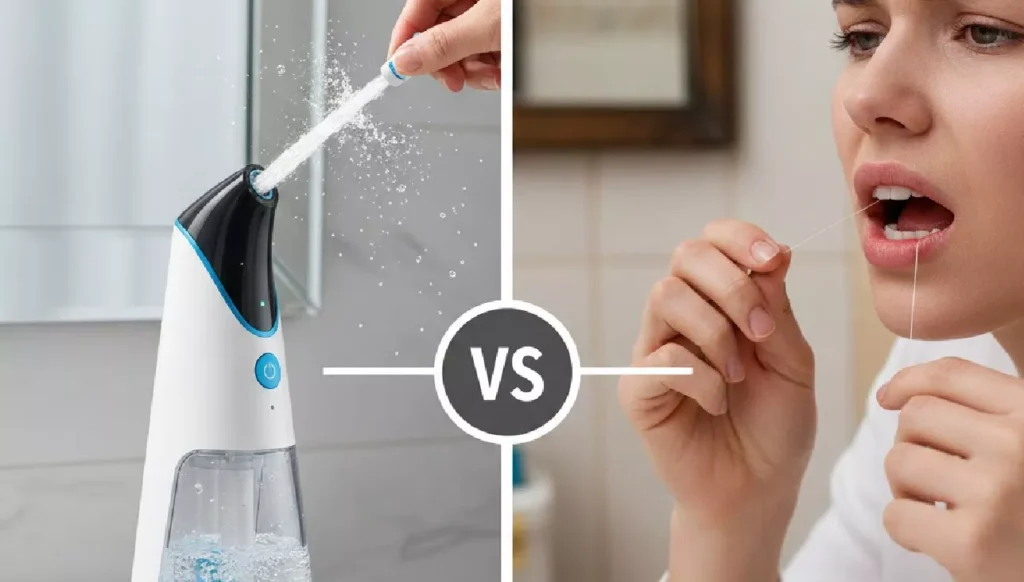
Water Flossers vs Traditional Flossing
Traditional flossing
- Physically scrapes plaque from tooth surfaces
- Highly effective with proper technique
- Requires manual dexterity
- Often skipped due to discomfort or difficulty
Water flossers
- Easier to use consistently
- Gentler for sensitive gums
- Better for complex dental work
- Less precise scraping action
Bottom line: Water flossers often outperform no flossing at all. For many patients, consistency beats perfection.
Who Benefits Most From Water Flossers?
Water flossers are especially worth it for certain groups.
People with braces
Flossing with braces is difficult. Water flossers clean around wires and brackets with less frustration.
Dental implants and bridgework
Implants and non-removable bridgework trap plaque easily. Water flossers reach beneath and around these structures.
Crowns and restorations
Water pressure helps clean margins where crowns meet natural teeth.
Arthritis or carpal tunnel syndrome
People with limited hand mobility often struggle with string floss. Water flossers reduce strain and improve compliance.
Click Here To Know More About Easy biohacking techniques
Water Flossers and Gum Disease
Gingivitis
Early gum disease involves inflammation and bleeding. Water flossers help reduce gumline bacteria and irritation when used daily.
Periodontitis
For deeper periodontal pockets, water flossers provide irrigation that helps flush bacteria. They are often recommended alongside professional periodontal treatments.
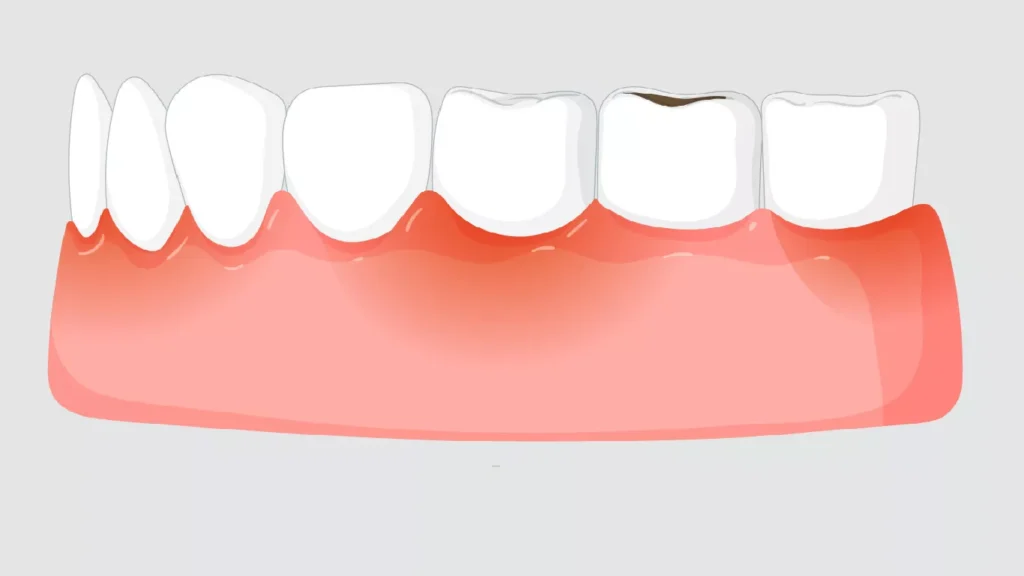
Water flossers support gum health but do not replace deep cleanings or other dental treatments.
Water Flossers for Braces, Implants, and Crowns
Orthodontic care
Water flossers excel at cleaning orthodontic appliances, where plaque builds quickly.
Implant maintenance
Dental implants require excellent plaque control. Water flossers help reduce bacterial load around implant collars.
Post-surgical oral hygiene
After certain dental procedures, dentists may recommend gentle water flossing instead of string floss during healing.
Sensitive Gums and Medical Limitations
Water flossers are often recommended for people with:
- Sensitive gums
- Bleeding during flossing
- Oral conditions that make string floss painful
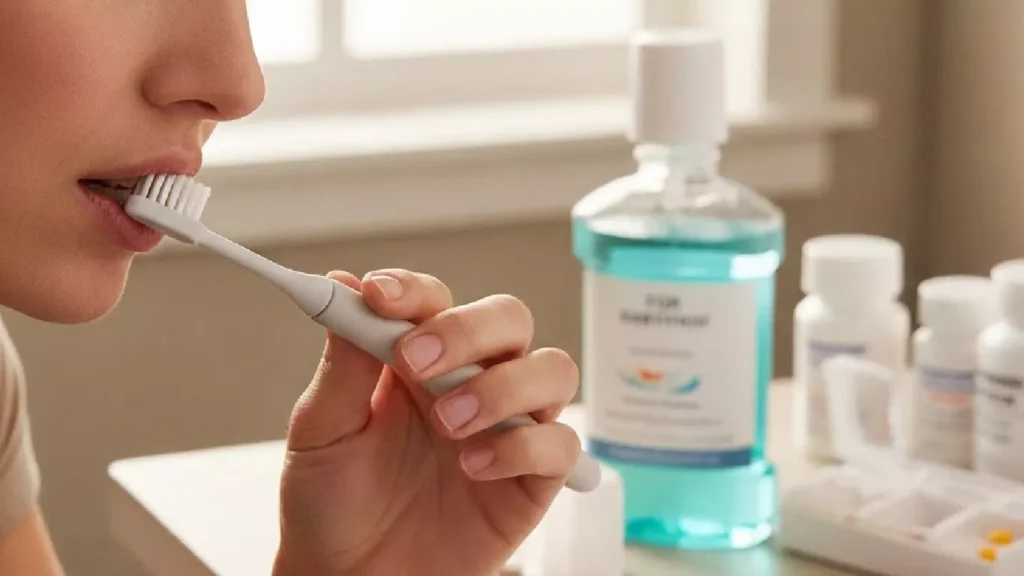
Important note
If someone has advanced periodontal disease, oral cancer, or recent surgery, water pressure settings should be adjusted carefully. Always follow a dentist’s guidance.
How to Use a Water Flosser Correctly?
Proper use determines whether a water flosser is worth it.
Step-by-step
- Fill the reservoir with warm water
- Select a low or medium pressure
- Lean over the sink before turning it on
- Aim the tip along the gum line
- Pause between teeth
- Clean for about one minute
Water temperature matters. Warm water is more comfortable for sensitive gums.
Are Dentists Recommending Water Flossers
Many dental professionals recommend water flossers as part of a complete oral hygiene routine.
Practices such as McIlwain Dental Specialists emphasize dental education and preventive care. Water flossers are commonly suggested to patients who struggle with traditional flossing or have complex dental work.
Most dentists agree:
- Brushing remains essential
- Water flossing improves interdental cleaning
- Professional cleanings every six months remain critical

Cost, Value, and Long-Term Worth
Typical costs
- Countertop water flosser: moderate upfront cost
- Cordless models: slightly higher price
Are water flossers worth the money
They are worth it if they:
- Improve daily compliance
- Reduce gum inflammation
- Help prevent gum disease progression
- Lower long-term dental treatment needs
Viewed as a preventative dental investment, water flossers can save money by supporting gum health.
FAQ
Are water flossers as good as floss
They are different. Water flossers clean between teeth and along the gum line but do not scrape plaque as string floss does. Many dentists recommend using both.
Are water flossers better than floss
For people with braces, implants, or limited dexterity, water flossers can be more practical and effective in daily use.
Are water flossers good for gums
Yes. They can reduce bleeding, improve gum health, and help manage gingivitis when used consistently.
Are water flossers safe
When used at appropriate pressure levels, water flossers are safe for most people, including those with sensitive gums.
Are water flossers worth buying
If flossing is inconsistent or difficult for you, a water flosser is often worth getting to improve oral hygiene.
Conclusion
So, are water flossers worth it? For many people, yes.
They improve plaque removal along the gum line, support gum health, and make interdental cleaning easier. While they do not fully replace traditional flossing, they are a practical, dentist-supported tool that helps people maintain better oral hygiene long term.
If a water flosser helps you clean more consistently, it is already doing its job.





Leave a Reply